Entries by arvensisagro

Arvensis organic management against Pestalotiopsis in strawberry

Strawberry (Fragaria × ananassa) is a crop of economic and social importance in Costa Rica, especially in the highlands of the Central Valley.

According to the 2014 National Agricultural Census, Costa Rica had approximately 232 hectares dedicated to strawberry cultivation, spread across 335 farms.

Main regions

  • Cartago (El Guarco region and surroundings)

  • Alajuela (Zarcero, Poás)

  • San José (Dota, Aserrí)

  • Heredia (Vara Blanca, San Rafael)

In the province of Heredia, particularly in the districts of Vara Blanca and San José de la Montaña, it is estimated that over 26 hectares are dedicated to strawberry cultivation, representing approximately 22% of national production.

These activities not only diversify income sources for producers, but also strengthen the social and cultural fabric of the producing regions. Many of these areas are also engaged in rural tourism, making strawberry an agro-tourism product.

Exports

In 2023, Costa Rica exported $2.92 million USD in fresh strawberries, ranking as the 32nd global exporter of this product.

Although strawberry exports represent a smaller share compared to other agricultural products such as pineapple or banana, they are significantly valuable to local economies, especially in rural communities where strawberry cultivation is a key source of income.

Crop characteristics

Production system:

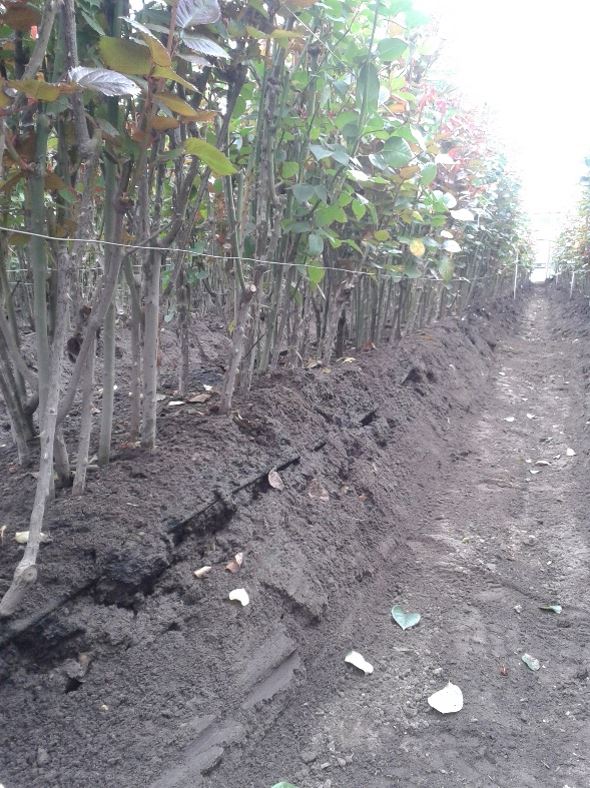
  • Grown on raised beds, often in macrotunnels or greenhouses, although some are grown in open fields.

  • Imported plants are used (frequently from USA, Mexico or Spain), which may bring phytosanitary issues from those countries.

Crop cycle: Annual, though some areas manage two cycles under appropriate conditions.
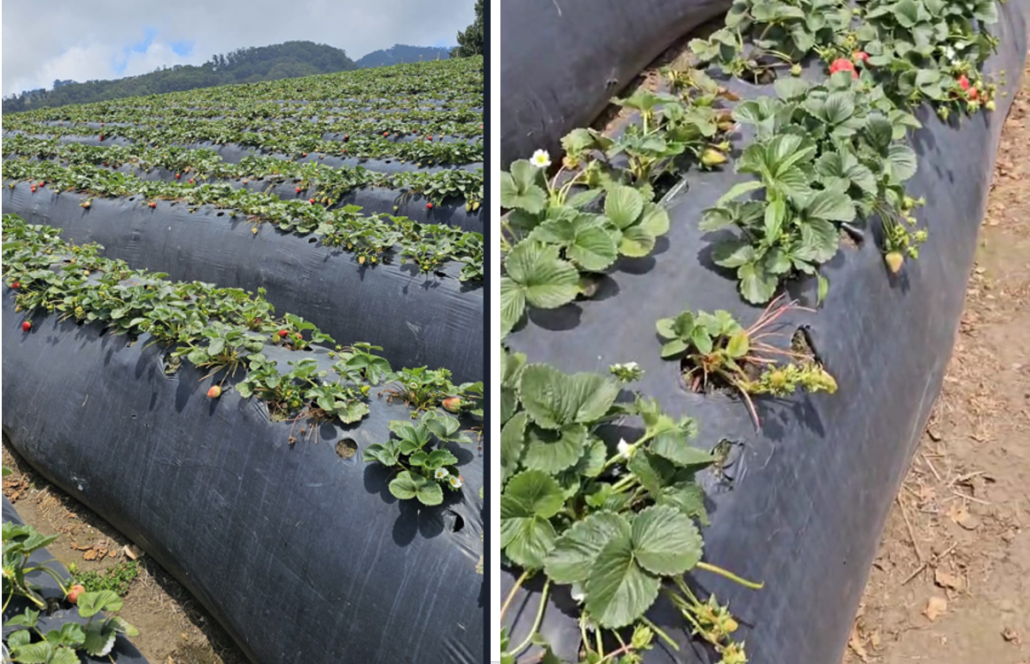
Figure 1: Cultivation system on raised beds

Main challenges

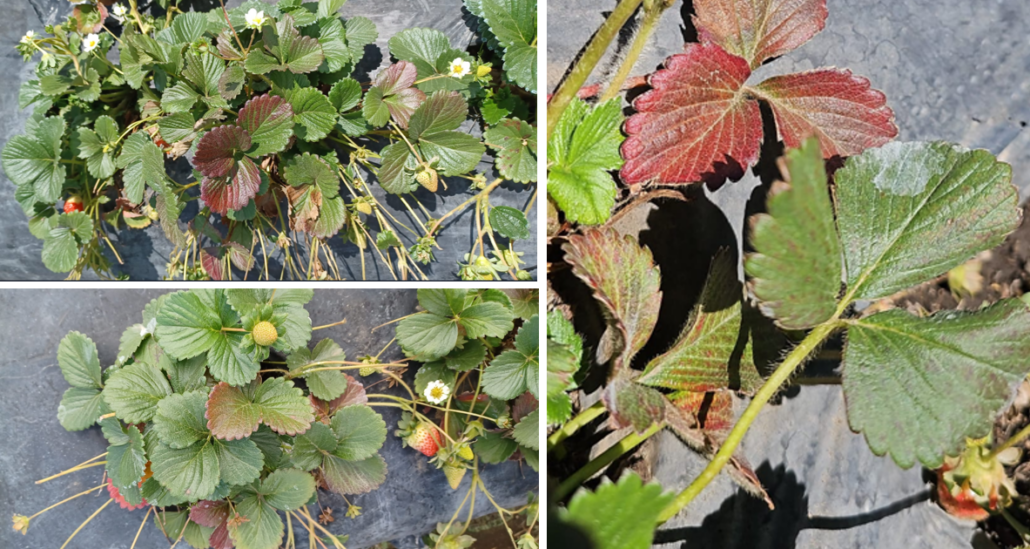
  1. Diseases such as Botrytis, Colletotrichum, and Pestalotiopsis (the latter has caused up to 90% loss in new plantations).

  2. Climate change: Out-of-season rains and extreme temperatures affect flowering and fruit set.

  3. Lack of technology and dependence on imported plants.

  4. Market access and price fluctuations.

Figure 2: 4th-cycle plants, Costa Rican variety with Arvensis organic management, affected by Pestalotiopsis, showing good vegetative and productive development.

Growth challenges

The strawberry sector in Costa Rica faces challenges related to phytosanitary problems, such as the emergence of fungal diseases, and the effects of climate change. To address these, good agricultural practices have been implemented and the adoption of sustainable technologies is promoted to improve productivity and crop resilience.

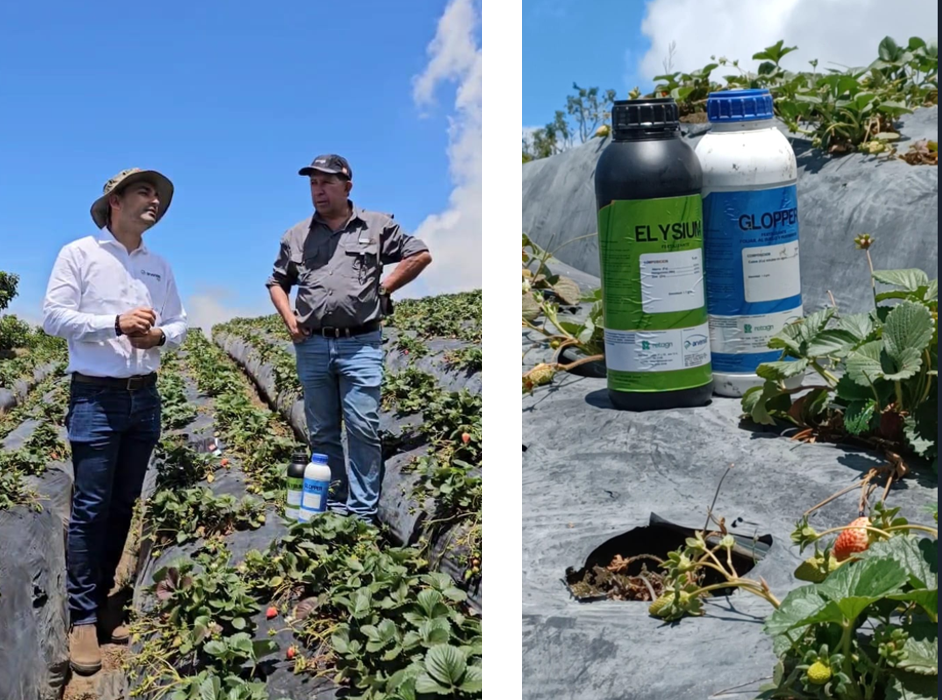
Arvensis participated in a field day, collaborating with organic solutions for resistance and defense in strawberry crops.

Working with agronomist Eng. Henry Obando, among other strategies, the use of Glopper associated with Elysium has shown very promising results as a complementary tool, especially against Pestalotiopsis. In this way, the combined use of these two organic solutions, particularly in strawberry cultivation, provides a great preventive solution.
What organic solution does Arvensis propose?

Glopper is an organically certified copper, with systemic action, designed to correct copper deficiencies in plants and strengthen their natural defense systems.

As a complementary solution, Elysium can help us to confront the micronutrient deficiencies suffered by the plant in these situations.

Application of GLOPPER + ELYSIUM in Strawberry Cultivation

  • Prevent infections: Strengthens natural plant defenses, reducing the likelihood of Pestalotiopsis and other pathogens establishing.

  • Improve overall plant health: Correcting copper deficiencies leads to more vigorous and disease-resistant growth.

  • Organic farming compatible: Both products are approved for organic production systems.

  • Preventive use: The solution is most effective when applied before the disease appears.

  • Not curative: It does not eliminate already established Pestalotiopsis infections.

  • Part of an integrated management plan: Must be used alongside other practices, such as using healthy plants, humidity control, and crop rotation.

For effective management of Pestalotiopsis, an integrated approach is recommended, including adequate cultural practices, preventive product use, and when necessary, the application of specific fungicides under the guidance of an agricultural professional.
Microorganisms: the invisible architects of soil (and why you should pay attention to them)

If the soil in your crop could talk, what do you think it would say?
Maybe something like, “Without me, your plants wouldn’t last a week.” And it would be right. But what most people ignore is that, beneath the surface, there’s an invisible army at work day and night: microorganisms.

They’re the ones who decide which plants thrive, how nutrients are recycled and how fertile your soil will be in five, ten or twenty years. Want to know how to harness their power to improve the productivity and regeneration of your soils? Read on. What you’ll discover can make the difference between living soil and depleted soil.

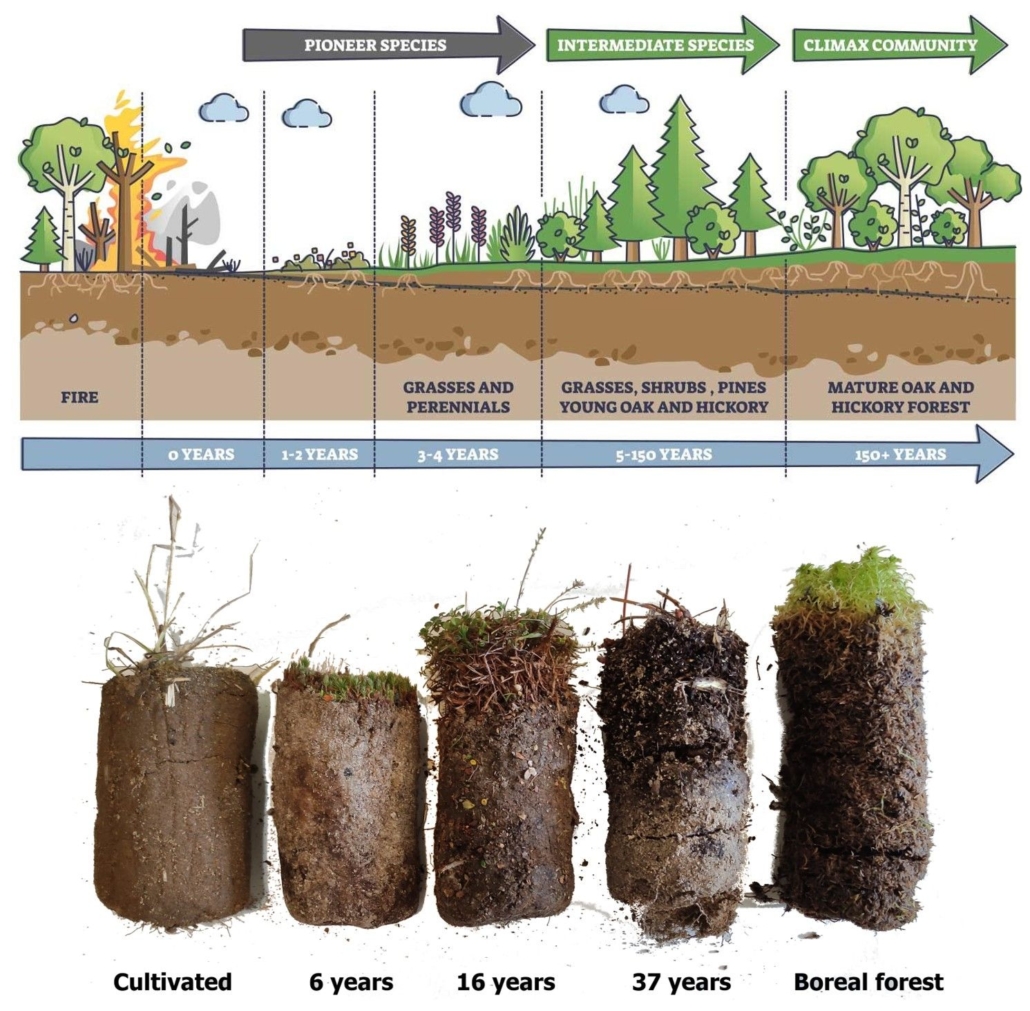
Successive stages of ecological succession / soil samples showing the development of a mulch and humus layer on a sandy soil in a regenerating boreal forest after clearing for agriculture (source: Beth Evans).

Cultivated soils: the starting point

Imagine a freshly tilled field, with fast-growing crops and yield-boosting fertilizers. Here, opportunistic bacteria and fungi reign supreme. They feed on crop residues and synthetic fertilizers, making immediate use of resources.

But there’s a problem: this system is not sustainable in the long term. When you stop fertilizing or switching crops, the soil starts to lose life. And without life, the soil is just dust.

When agriculture stops, life begins

Believe it or not, when agricultural activity ceases, the soil begins to recover on its own. Like a forest after a fire, nitrogen-fixing bacteria and decomposer fungi come to the rescue, enriching the soil with organic matter.

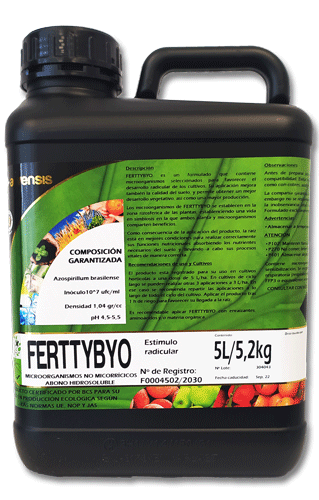
This is key to regenerating depleted soils and restoring the fertility you thought was lost. And yes, there are ways to accelerate this process without waiting years: products like Ferttybyo, activate soil microbiology and fill it with life. At Arvensis we researched these natural interactions and have developed this concentrated microbiological solution to rebuild the vitality of your soil.

The first plants are not alone

The first plants to grow in a recovering soil do not do it alone. They have allies in the subsoil: rhizosphere bacteria and mycorrhizal fungi. This symbiosis accelerates the availability of nutrients and stabilizes the soil, allowing more species to settle in.

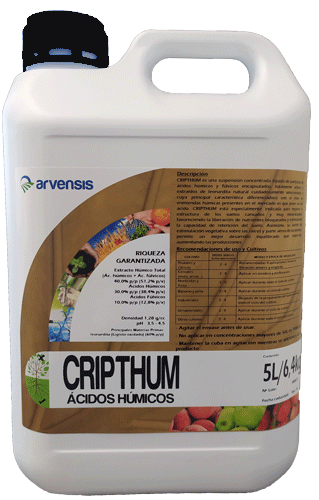
If you want to reinforce this natural connection and improve nutrient uptake, Cripthum is a highly concentrated blend of humic and fulvic acids that improves soil structure and optimizes water retention, facilitating regeneration and microbiological balance. If you apply it together with ferttybyo you have a winning formula to recover the health of your soil, fertilize in an advanced way and increase the yield of your crops.

The evolution of the ecosystem

Over time, fungi take over. Saprophytic and mycorrhizal species decompose more complex compounds and favor the colonization of perennial plants.

In grasslands and transitional forests, lignin-degrading fungi and actinobacteria decompose woody debris and deepen root systems. In other words, they prepare the ground for a more stable and resilient ecosystem.

The balance of a mature forest

When an ecosystem reaches maturity, everything works like fine-tuned machinery. Slow-growing oligotrophic microorganisms take over, forming complex networks with trees through ectomycorrhizal associations. This is where key processes such as carbon sequestration and long-term soil stability are regulated.

If you’re looking to transform an impoverished soil into a balanced ecosystem, microorganisms are the key. And with the support of solutions like Ferttybyo and Cripthum, you can accelerate that process in your own soil.

Soil is a living ecosystem: take care of it

Microorganisms not only influence soil regeneration, but are also responsible for soil fertility and long-term stability. If you understand how they work, you can harness their power to improve the productivity of your crops and optimize soil management.

Want to learn more about how to regenerate your soil naturally and effectively? Contact us and a sales technician will advise you.

Assay on the effect of Dispersal for saline soil improvement in roses.

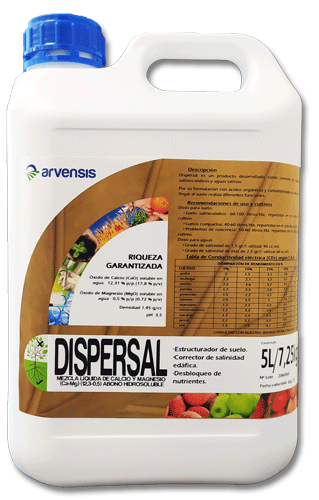
DISPERSAL is a calcium deficiency corrector formula which, in turn, acts by modifying the structure of saline-sodic, compacted, unstructured or blocked soils. Its application causes an unblocking in the soil, improving the assimilation of nutrients. The complexing organic acids transport the calcium to the exchange sites, dragging the sodium to lower areas of the soil, out of the reach of the root system.

DISPERSAL is able to make sodium-saline soils no longer saline or, at least, to reduce salinisation as much as possible.

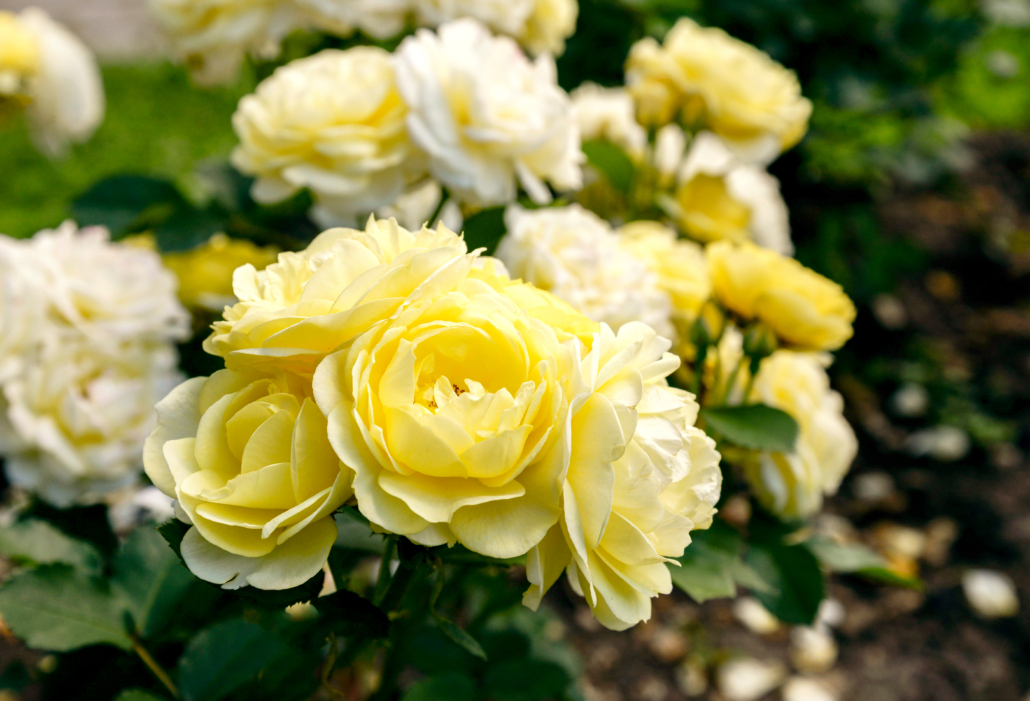
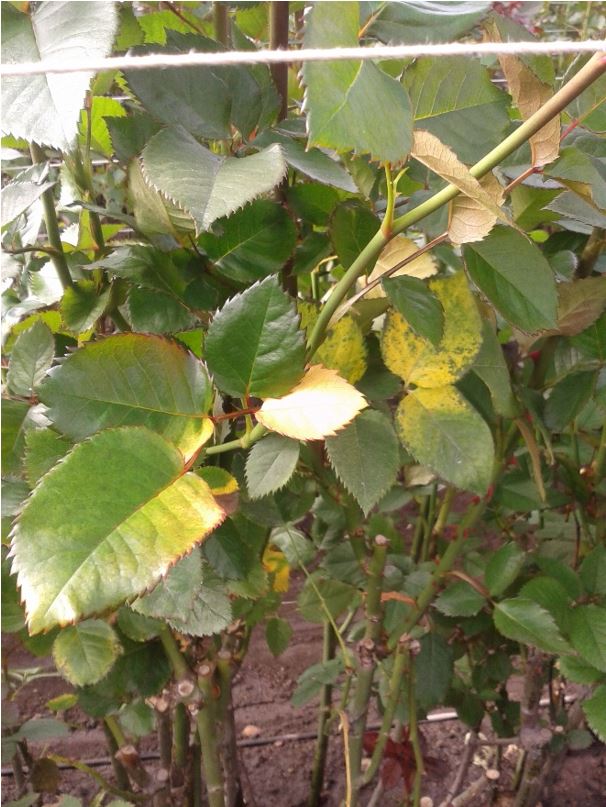
Once the characteristics of the product had been analysed, the farm technician designated the Cream variety of Cream in Block 4 for this trial, as the beds of this variety show typical chlorosis due to excess salts, defoliation, short and thin stems, which is assumed to be due to a problem of salts in the soil. For this reason, it was decided to apply the product DISPERSAL by trial to reduce this problem.

Objetive

Improve the quality of the variety’s stems to increase the productivity of the variety.

General assay data

Crop: Rose

Variety: Cream de la Cream

Block: 4

Number of beds: 10 beds

Mode of application: Drench with Venturi

General dose: 3 lt/Ha

Dose for 10 beds: 137 cc

Volume of stock solution: 40 litres

Time of application: 7:30h

Methodology

DATE

DOSE

COMMENTS

17-march-2016

3 lt/Ha

1st. Application

24-march-2016

3 lt/Ha

2nd. Application

31-march-2016

3 lt/Ha

3rd. Application

7-april-2016

3 lt/Ha

4th. Application and evaluation

21-april-2016

Evaluation

Results

After the 4 applications of DISPERSAL, together with the farm technician, the following was observed:

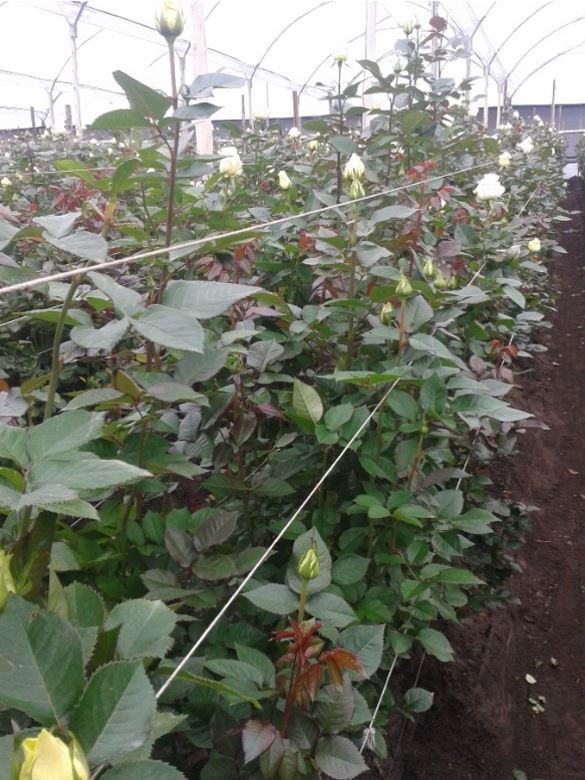
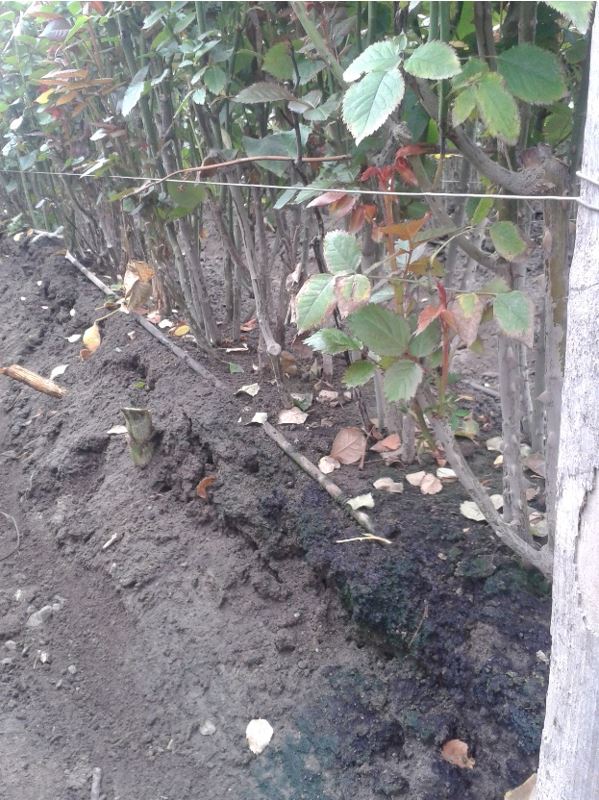
In the soil of the beds tested, it could be observed that there were no longer many fallen leaves, even when moving and shaking the stems of the variety it could be corroborated that the leaves no longer fall as could be noticed before starting the trial.
Improved foliage colouring
Improved quality and length of stems

Before applying Dispersal

After 4th application of Dispersal

Before applying Dispersal

After 4th application of Dispersal

Conclusions

After the joint evaluation with the technician of the farm, it can be concluded that the product DISPERSAL, fulfilled its objective, that is to correct the problem of salts, therefore the plant improves the assimilation of the nutrients in the soil and the Calcium becomes more available, a better colouring of the whole crop is observed, an important reduction of the defoliation, improvement in the length of the stems.

The Calcium contained in DISPERSAL is highly soluble and mobile due to the carboxylic acids it contains.

Therefore, we recommend the use of DISPERSAL to correct excess salts and therefore improve the quality of export stems.

Seaweed-based fertilizers: The key to improve the resistance of our crops

To understand if seaweeds are good in our fertilizers, we have to ask ourselves the question What are seaweeds?

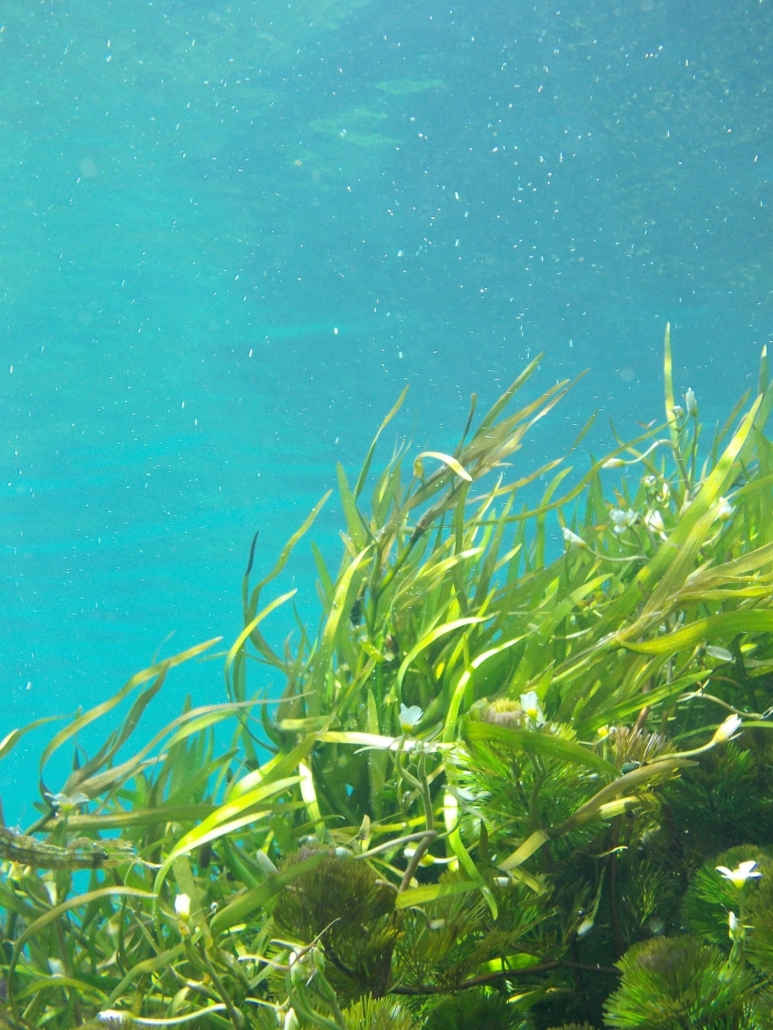
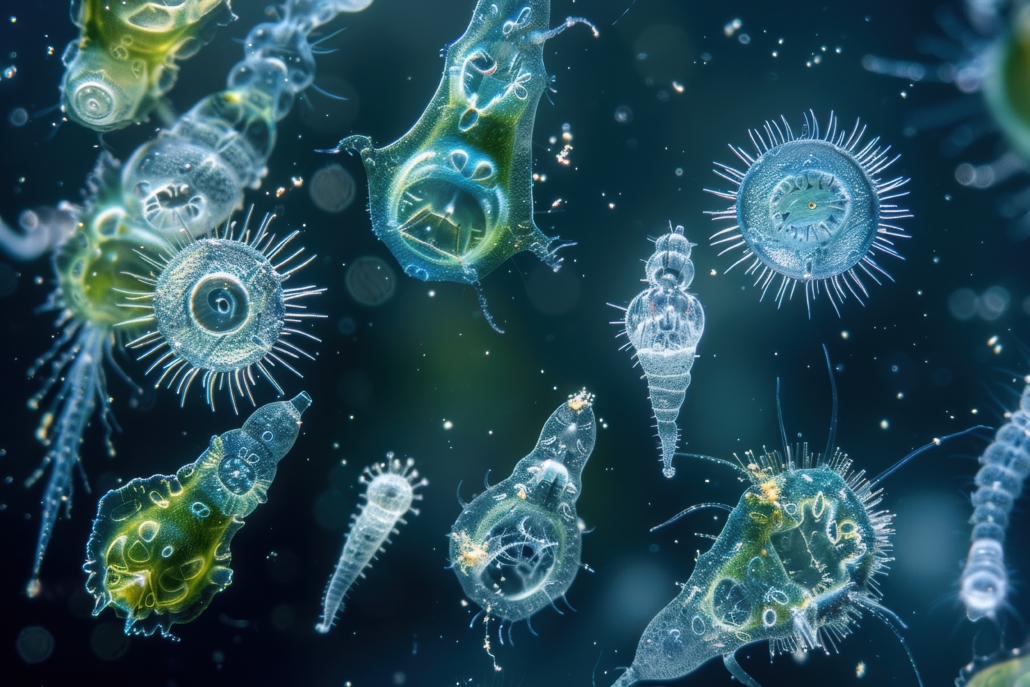
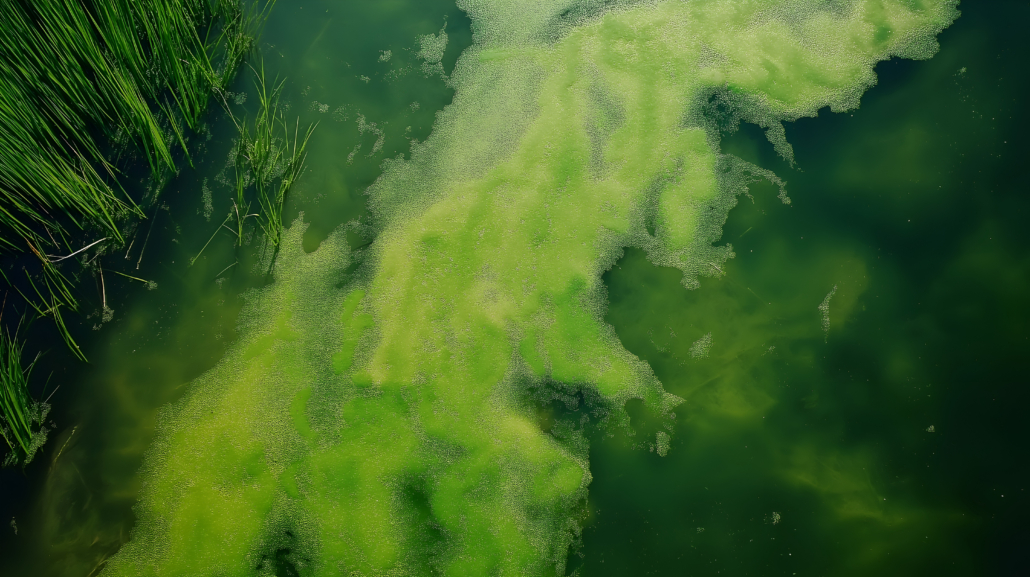
Seaweeds are photosynthetic organisms that live in salt water, mainly in the oceans and seas. They use sunlight to produce oxygen and carbohydrates that are essential for aquatic ecosystems. Algae do not have roots, stems or leaves, but have structures called rhizoids that help them adhere to rocks. There is a great variety since their size can be microscopic like phytoplankton, as well as visible algae like the nori seaweed that we consume so much, or large algae like kelp, a lamellar algae.

There are several types of seaweeds, and they are mainly classified into three groups, according to their color and chemical characteristics:

  1. Green algae: They are green in color due to chlorophyll, the pigment they use for photosynthesis and are usually found in shallow coastal waters and in areas of high light.
  2. Brown algae: They are brown in color due to a pigment called fucoxanthin, in addition to chlorophyll, and are found in cold or temperate zones.
  3. Red algae: They are red in color due to phycobilin pigments, which complement chlorophyll in photosynthesis and are more common in deeper waters, where light is dimmer, due to their ability to better absorb deeper wavelengths of light.

The algae most commonly used in fertilizers are brown algae due to their richness in alginic acid and mannitol.

The best known is Ascophyllum nodosum as it stimulates growth and resistance to stress. There are many published studies where its efficacy has been proven in crops with good results.

There are also other types of algae that can be used as fertilizers: Macrocystis pyrifera, very rich in minerals such as potassium and calcium, Sargassum spp, used to improve soil moisture retention or Ecklonia maxima which stimulates root growth.

Seaweed-based fertilizers are of particular interest due to their high content of bioactive compounds such as polysaccharides, phytohormones, amino acids and trace elements. These components have the ability to interact with plants in a way that enhances their ability to withstand adverse conditions and maximize their efficiency.

How do seaweeds manage crop resistance?

  1. Improved tolerance to water stress: Drought is one of the most devastating effects of climate change. Seaweed-based fertilizers help plants better manage available water. By applying these fertilizers, plants increase their ability to retain water, allowing them to withstand periods of drought more efficiently.
  2. Increased resistance to temperature extremes: Seaweeds have the ability to regulate plant response to high or low temperatures. When plants are subjected to extreme temperatures, seaweeds promote the production of natural antioxidants, which protect plant cells from thermal damage.
  3. Improved resistance to salinity: In many agricultural regions, saline soil is an increasing challenge due to rising sea levels and inadequate agricultural practices. Seaweed fertilizers can help plants tolerate higher salt levels, improving water and nutrient uptake in saline soils and increasing productivity under these conditions.
  4. Stimulation of root growth: A strong root system is key to nutrient and water uptake, especially under stressful conditions. Seaweed fertilizers can promote the development of deeper and denser roots, improving the ability of plants to access vital resources, even in impoverished soils or extreme conditions.

These are the main functions of adding seaweed extract to fertilizers. However, there are many more, such as increasing plant health, reducing dependence on chemical products or increasing productivity.

Seaweed-based fertilizers are a powerful tool in the fight against the effects of climate change on agriculture. Their ability to improve crop resistance to water stress, temperature extremes and salinity offers a sustainable and effective solution to increase agricultural productivity in a context of increasingly unpredictable climate change. Furthermore, by promoting greener agricultural practices and reducing reliance on chemical inputs, seaweed fertilizers represent a promising option for a greener and more resilient future.

If we are increasingly introducing seaweed into our foods, why not give it to our plants as well?

The secret art of adaptation

How plants thrive in the face of adversity

Our planet has incredibly diverse environments that look like something out of a science fiction movie. From scorching deserts and rainforests, to cold tundras and rugged mountains, to mysterious wetlands, almost everywhere plants grow! How is this possible?

Our planet is made up of about 70% water and 30% land. Of that land, about 31% is covered by forests, and if we add other types of vegetation (grasslands, shrubs, bushes, etc.), almost half of the ice-free land is home to plant life. Meanwhile, according to recent studies, 8 billion people live on only 7.6% of the earth’s surface. The plant kingdom has adapted much better than humans!

Types of adaptations: plant survival tricks

To live in environments that would seem impossible to us, plants have developed surprising strategies:

a) Morphological adaptations

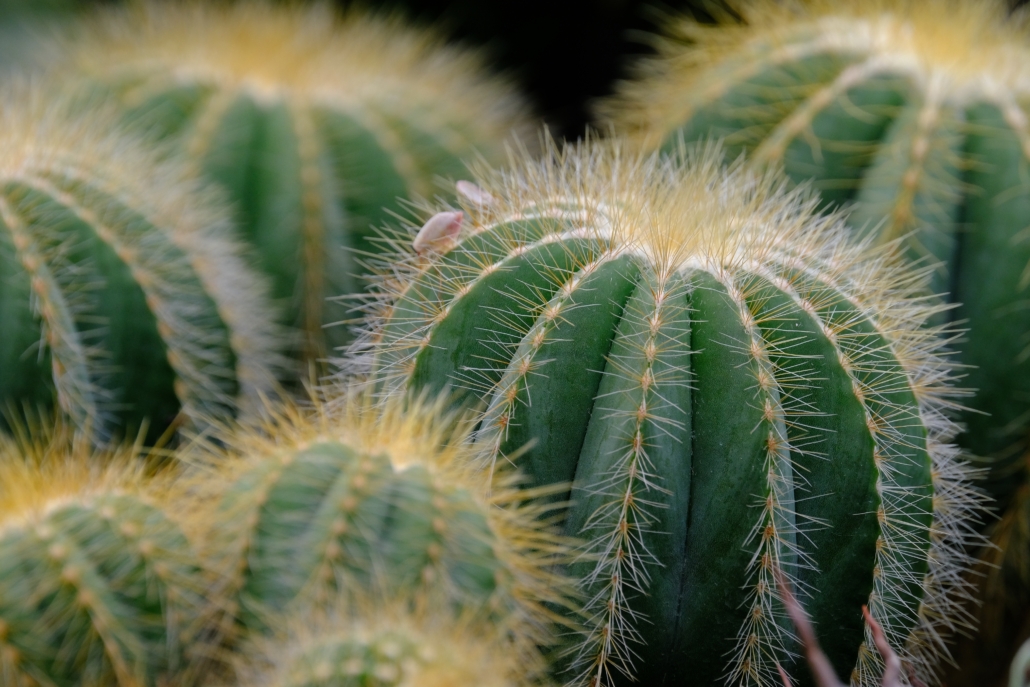
Figure 1. Cacti are adapted to deserts.

Succulent leaves and deep roots

In deserts, where water is very scarce and valuable, cacti have evolved to have leaves transformed into spines (less surface area to lose water!) and succulent tissues that store reserves. In addition, their roots can extend several meters deep to reach water hidden beneath the sand.

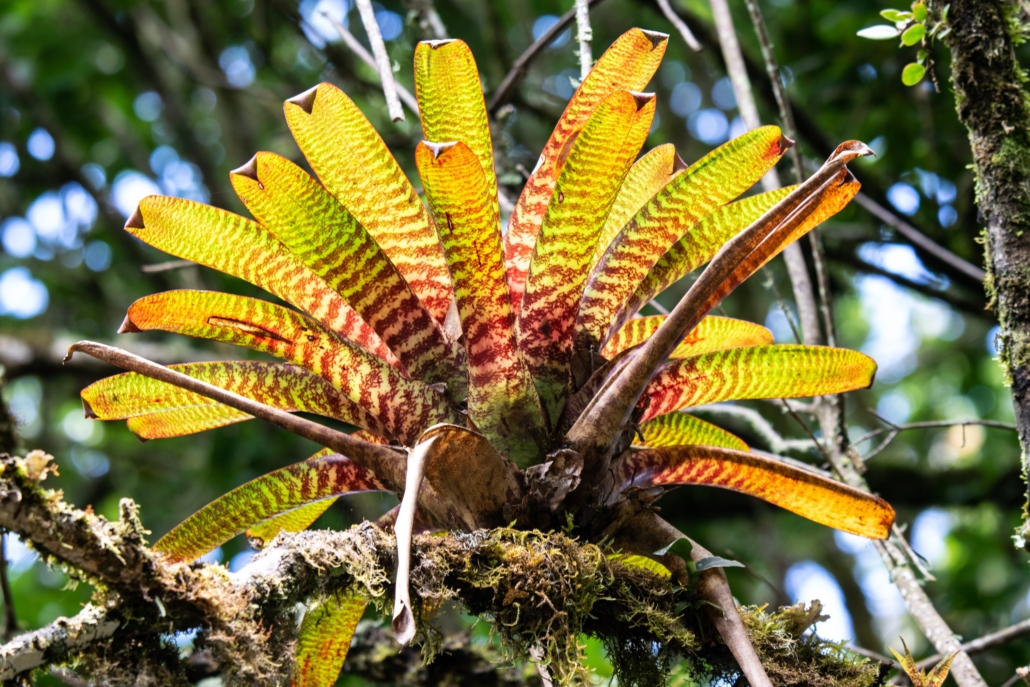
Figure 2. Example of an aerial bromeliad.

Aerial roots in epiphytic plants

Some orchids and bromeliads grow on other trees and have roots that absorb moisture from the air. To do this they have specialized roots, covered with a spongy tissue called velamen, which acts as a “sorbent” to absorb water and nutrients directly from the air and rain.

b) Physiological adaptations

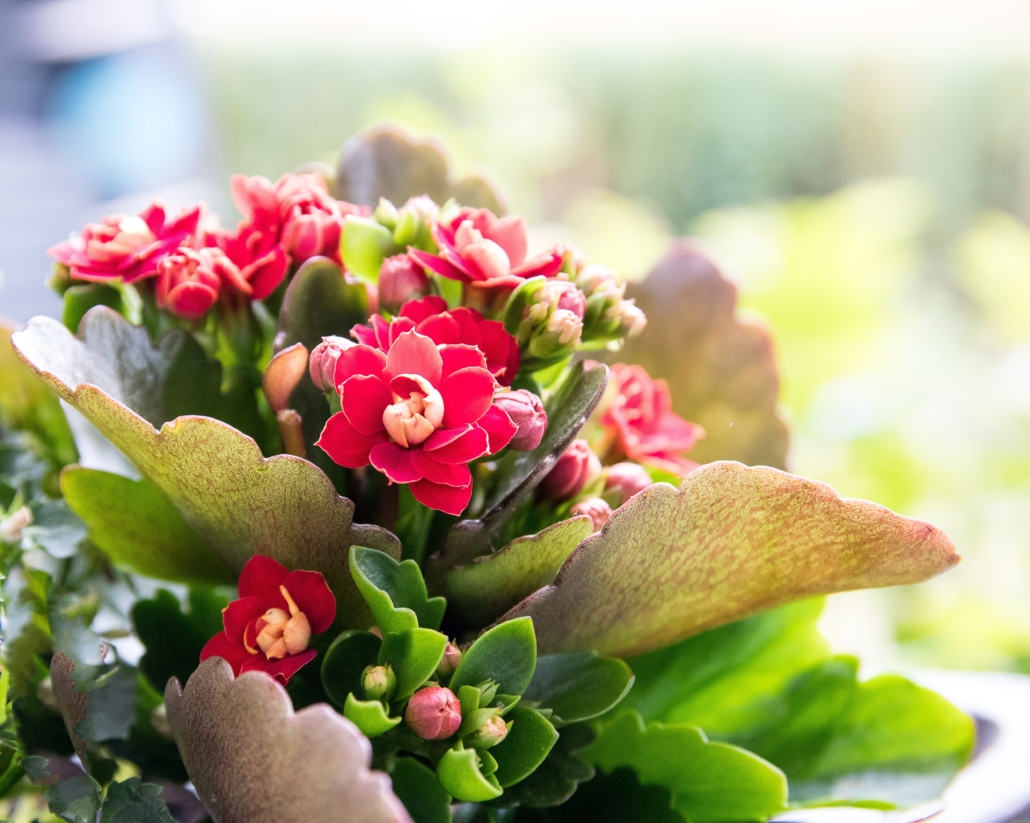
Figure 3. An example is the Kalanchoe.

CAM photosynthesis

Desert plants, such as certain cacti, use a trick called CAM photosynthesis. Instead of opening their tiny “pores” (stomata) during the day when the sun heats up and water evaporates, they open them at night! This reduces water loss by as much as 70-80% compared to other plants.

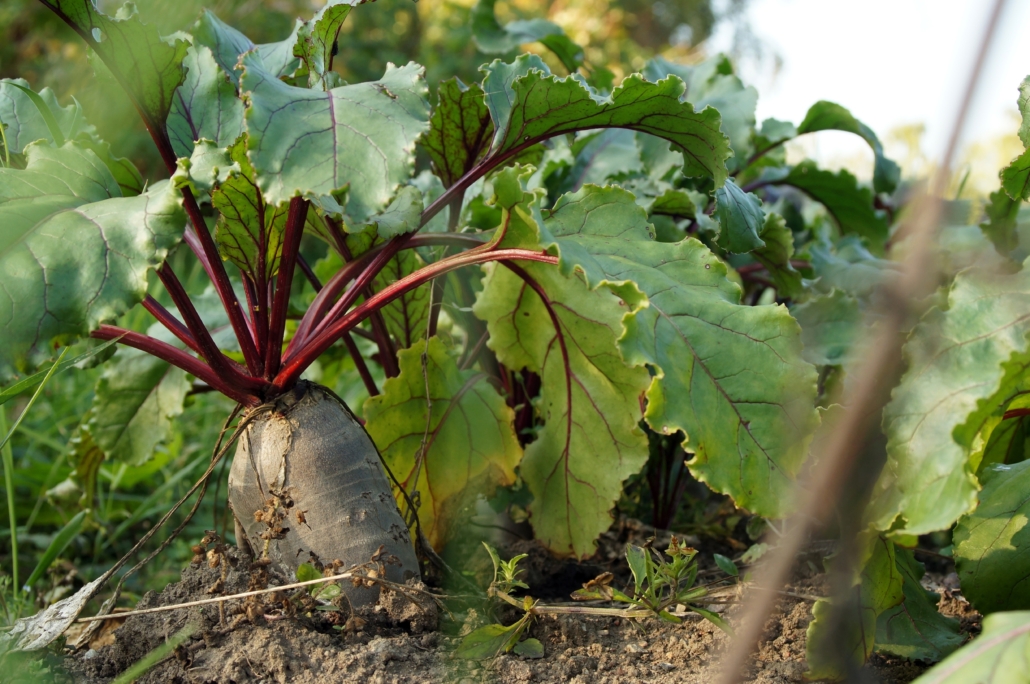
Figure 4. Beets produce these protective compounds.

Production of protective compounds:

Many species synthesize molecules such as glycine-betaine, which acts as an internal shield helping to maintain osmotic balance and protect their cells from salt or drought stress.

c) Behavioral adaptations:

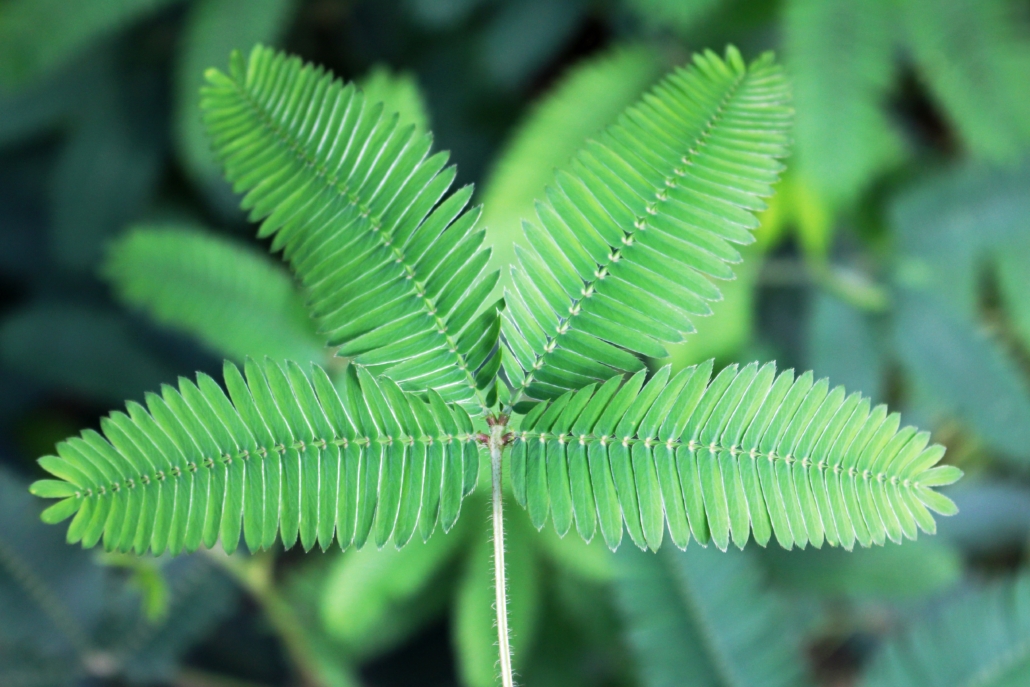
Figure 5. A classic example is Mimosa pudica.

Nocturnal leaf closure

Some plants, like us seeking shelter from intense sun, close their leaves at night or on very hot days to conserve moisture and protect themselves from potential predators.

Extreme survival strategies

When conditions get really tough, some plants have developed unconventional strategies:

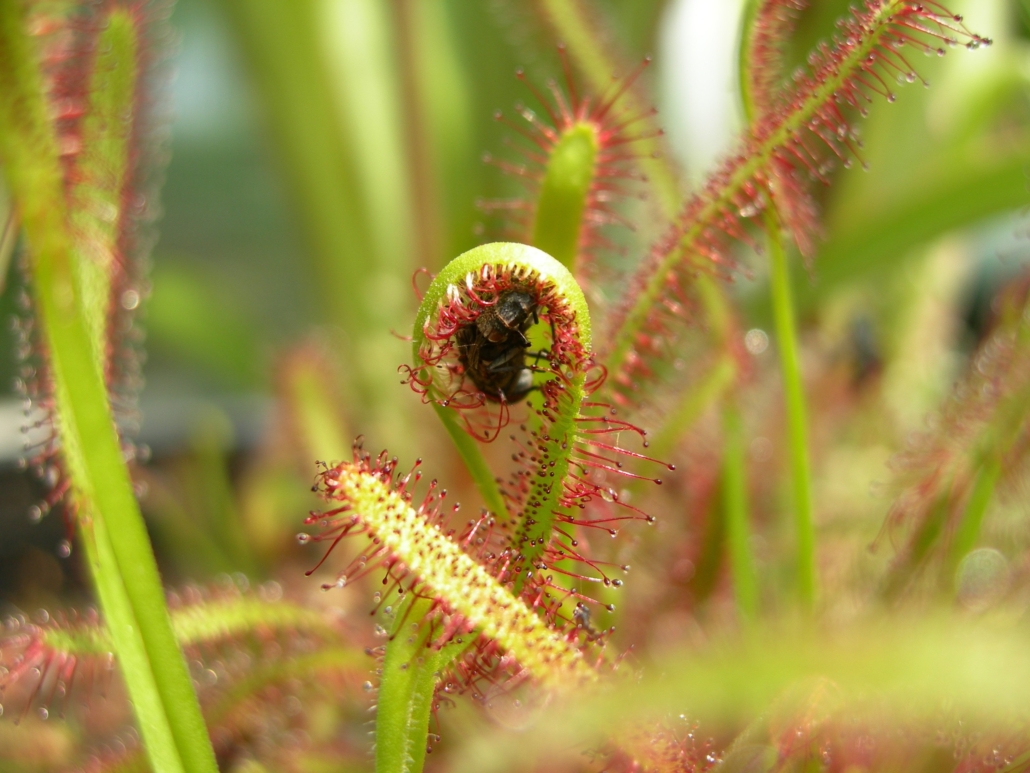
Figure 6. Carnivorous plants acquire the nutrients they need from their prey.

Carnivorous plants

In extremely nutrient-poor soils, some plants such as Venus flytrap or pitcher plants have decided to change the rules of the game: instead of absorbing nutrients from the soil, they capture insects. By decomposing their prey, they obtain the nitrogen and other minerals they need to grow.

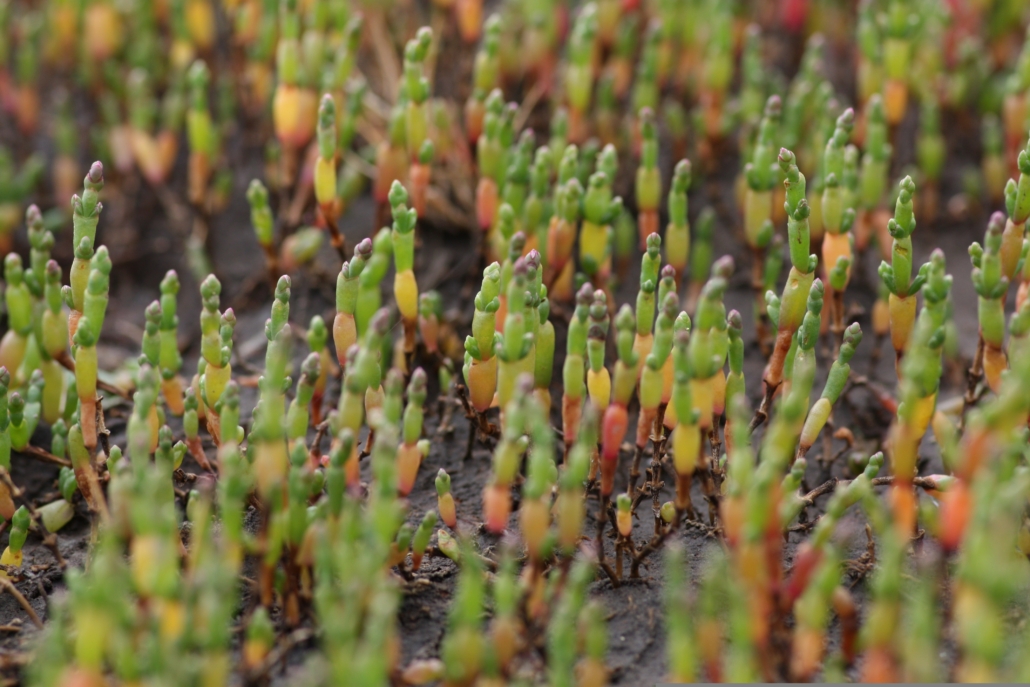
Figure 7. Salicornia is a perfect example of these plants.

Halophytes (salinity-resistant plants)

In coastal areas or in saline soils, where salt is a deadly enemy for most plants, there are halophytes. These species, such as salicornia, have developed mechanisms to expel or store excess salt in their tissues without damaging themselves.

Lessons we can learn for agriculture

If plants can survive in the most extreme conditions, imagine what we can learn from them! Here are some ideas that can inspire us:

  • Crops resistant to drought and saline soils:
    Taking a cue from desert and halophyte plants, it is possible to develop crop varieties that consume less water or can grow in soils with high salt levels.
  • Intelligent water management:
    Water retention strategies used by cacti and other species can inspire irrigation systems and water conservation techniques in agriculture.
  • Use of genetics and natural selection:
    Understanding which genes allow plants to survive in extreme environments helps transfer those traits to commercial crops, either through traditional selection or gene-editing techniques.
  • Synthesis of protective compounds:
    Glycine-betaine is just one example of how some plants produce molecules that protect their cells from stress. Incorporating these compounds into agricultural formulations (such as our products) can boost crop resistance to drought, high salinity and other climatic challenges.

Nature as inspiration

 The incredible adaptability of plants is a reminder of nature’s resilience. They show us that, even in the most extreme conditions, life finds a way to persist.

That’s why at Arvensis we look closely at the plant world and learn from it. Try our products that boost the resistance and adaptation of your crops, using nature-based strategies —such as the application of glycine-betaine in GLIBETINA— to meet the challenges that the field presents us with every day.