Entries by arvensisagro

Climate change in agriculture

Climate change consists of a series of modifications over time of weather patterns, such as rainfall and temperature, among others. Weather events such as cold fronts, hurricanes, frost, extreme rainfall and also drought or excess humidity occur.

The impact of global warming on agriculture: droughts and extreme temperatures

These changes could have been generated naturally, by variations in the solar cycle or produced by human activity. Due to this, global warming is occurring, generated by the accumulation of gases in the earth’s atmosphere, as a consequence of deforestation and large CO2 emissions.
Increased drought and extreme heat are some of the climatic changes that most affect agriculture and are probably the greatest threat to crops and civilization.
Strategies for sustainable agriculture in the face of climate change

However, the demand for food is constantly growing, as the population is expected to grow and climate change is precisely the cause of decreasing yields in agriculture.
There are currently many initiatives in the agricultural sector to adapt current agriculture to the impact of climate change. The main strategy is the reduction of greenhouse gas emissions (CO2, CH4 and N2O) common in the energy, mining, agricultural and livestock industries, through renewable energies, thus reducing gas emissions.

Agricultural practices to mitigate climate change

There are also other strategies which are taken into consideration to reduce gas emissions, such as the conservation of agricultural ecosystems as CO2 sinks, also the optimization of water resources by rotating crops and finally the use of disease resistant crops, leading to less use of agrochemicals.
Plant communication: Secrets underground and messages in the air

Plants, often considered passive and silent organisms, hide a surprisingly active and sophisticated communication network. Although they lack a nervous system, they have developed mechanisms to exchange vital information through volatile compounds and subway networks. This article explores two of the main communication systems among plants: volatile organic compounds (VOCs) and mycorrhizal networks.

Messages in the air: volatile organic compounds

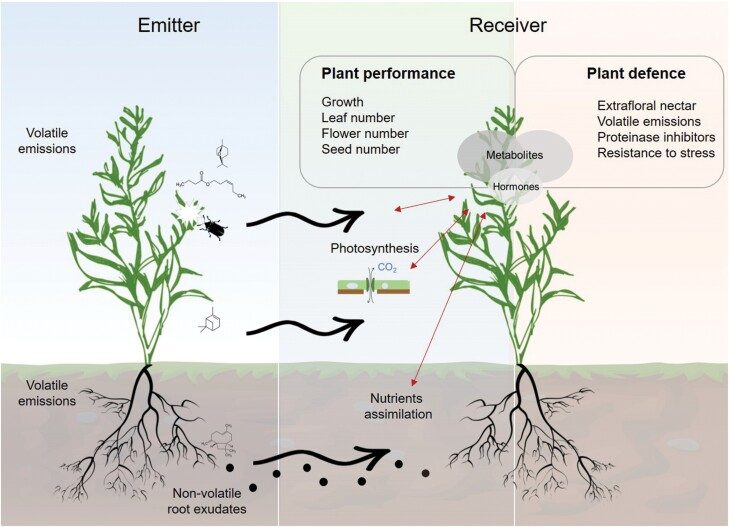
Volatile organic compounds (VOCs) are chemical molecules emitted by plants into the environment. These substances play a key role (described since 1983) in plant-plant communication by alerting neighbors of potential threats, such as herbivores or pathogens. For example, when a plant is attacked by insects, it releases VOCs that can be detected by other nearby plants, preparing them to activate their defense mechanisms before being attacked. The VOCs emitted are a mixture of different substances that can vary both quantitatively and qualitatively depending on the triggering stimulus.

An emblematic case is that of maize (Zea mays). When damaged by caterpillars, it emits a specific mixture of VOCs that not only activates defense genes in neighboring plants, but also attracts natural predators of the caterpillars, such as parasitoid wasps. This “chemical alarm” system not only improves the survival of the emitting plant, but also that of the entire plant community.

The range and accuracy of VOCs vary depending on factors such as species, type of threat and environmental conditions (but can reach several hundred meters in some cases). In addition, recent research has shown that genetically related plants respond more effectively to chemical signals from their relatives, suggesting a specific level of recognition within the plant community.

Finally, we must not lose sight of the fact that in addition to plants, these VOCs can be synthesized by other organisms in their environment (such as microorganisms).

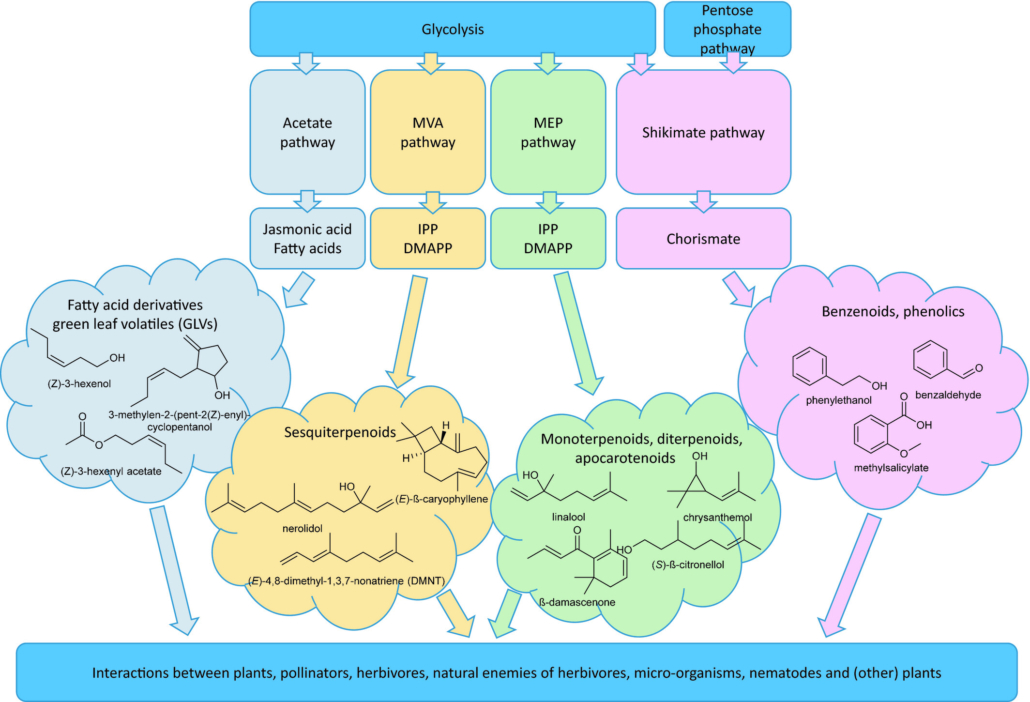
Chemically speaking, these VOCs can be synthesized from several metabolic pathways and belong to different classes among which we can mention: terpenoids, benzenoids, phenylpropanoids or molecules derived from fatty acids among others.

Extracted from Bouwmeester et al., 2019.

Hidden networks: communication through mycorrhizae

Beneath the soil, a vast and complex system of fungal interconnections, known as a mycorrhizal network, connects the roots of different plants. These symbiotic associations between fungi and roots allow plants to exchange nutrients, water and, most surprisingly, information. In previous posts of this blog we have developed the topic of mycorrhizae in more depth.

Mycorrhizal fungi act as “biological wires” that carry chemical signals from one plant to another. For example, when a plant suffers an attack by pathogens or herbivores, it can send signals through the mycorrhizal network to warn its neighbors. These recipient plants can then activate their own defense mechanisms in a preemptive manner.

A notable example has been observed in legumes, where plants connected by mycorrhizal networks show greater resistance to insect attacks compared to non-connected plants. Moreover, recent studies have revealed that mycorrhizal networks not only facilitate the transfer of danger signals, but also of beneficial compounds, such as antioxidants or key nutrients, promoting cooperation in the plant community.

The interaction between VOCs and mycorrhizae

Although VOCs and mycorrhizal networks are distinct mechanisms, in many cases they work in a complementary manner. For example, a plant that emits VOCs when attacked may also send signals through the mycorrhizal network, maximizing the reach of its “message”. This type of interaction multiplies the likelihood that neighboring plants will quickly detect and respond to the threat.

In addition, environmental conditions and ecological context can influence which communication system predominates. In dense ecosystems where mycorrhizal networks are well developed, mycorrhizal networks are often the primary means of communication. However, in open or less connected environments, VOCs play a more prominent role.

Extraído de Brosset & Blande, 2021

Ecological implications and future research

Communication between plants is essential for ecosystem stability. Understanding how plants exchange information could have important applications in agriculture, such as the development of crops that are more resilient to pests or the design of strategies to improve cooperation between species.

Ultimately, plants are much more than immobile beings. Their ability to communicate through VOCs and mycorrhizal networks reveals a collective intelligence that makes them active participants in ecosystems. These systems not only reinforce their ability to survive, but also underline the complexity of plant life.

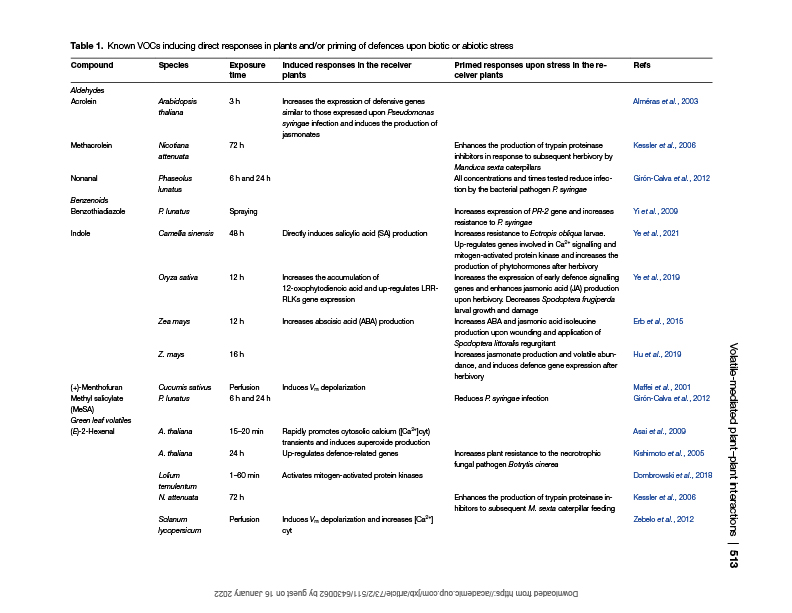
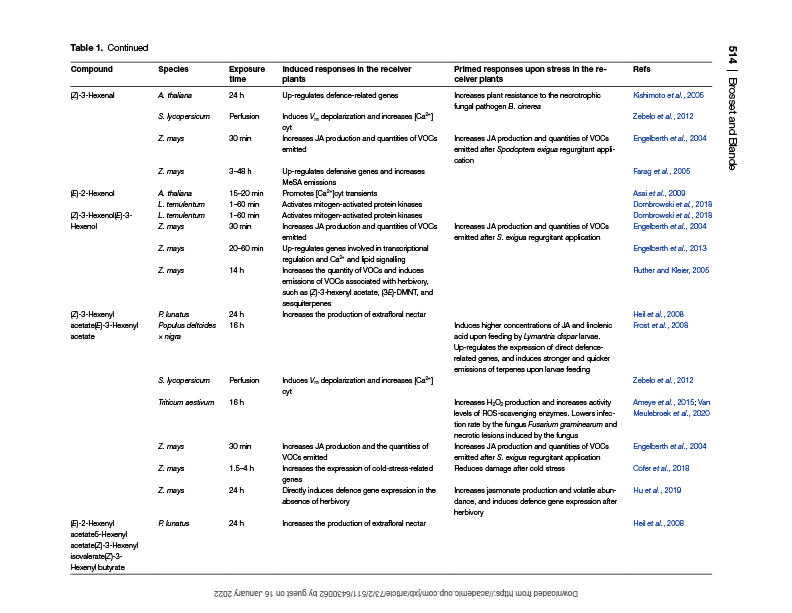
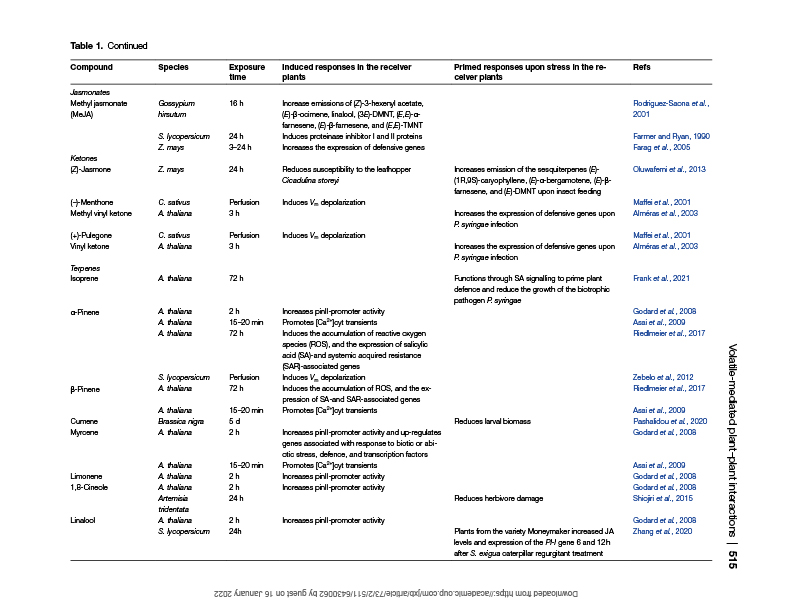
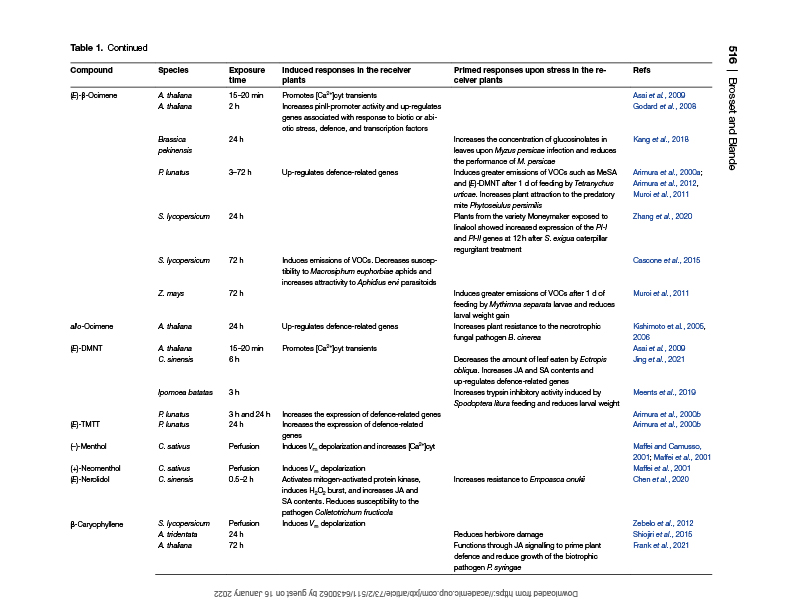
Supplementary material: list of VOCs (extracted from Brosset & Blande, 2021)

Bibliography

  • “Volatile-mediated plant–plant interactions: volatile organic compounds as modulators of receiver plant defence, growth, and reproduction”. Brosset & Blande, 2021. https://doi.org/10.1093/jxb/erab487

Strategies for agricultural recovery from natural disasters

One of the most talked about current affairs since the last months of the year 2024 has been the DANA, which affected different areas of Spain. The region of Valencia was one of the most affected, causing damage in 8 regions of the province and in more than 65 municipalities. It severely affected from El Camp del Túria to Ribera Baixa, being l’Horta Sud the zone 0 of the climatic catastrophe.

The province of Valencia is characterized by a Mediterranean climate, although this is changing and winters are almost non-existent and summers are getting hotter and hotter. The annual rainfall is around 500mm, although on October 29th, in the Plana de Requena-Utiel, it accumulated up to 315mm. That is, in a matter of hours it rained more than half of what usually rains in a year. We are used to seeing every year, during the months of September and October, news of how the cold drop reaches the Levante, but it has been a long time since its consequences were as serious as this time.

Consequences of flooded fields

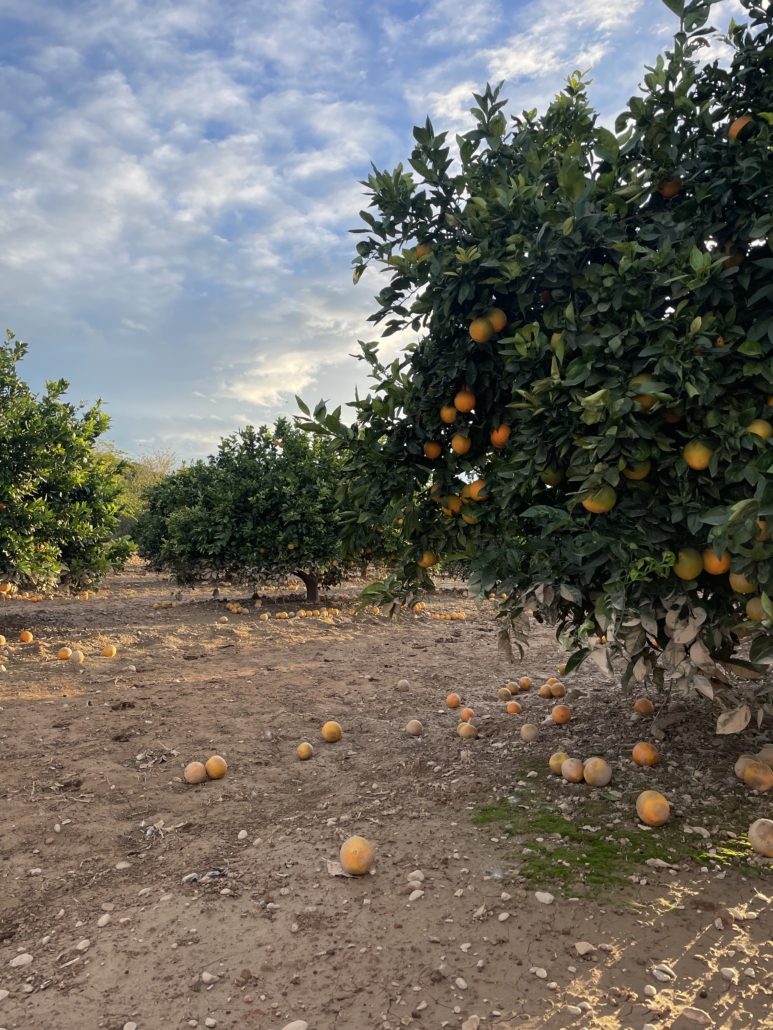
The natural disaster that occurred only a few months ago caused many human and material losses, with agriculture being one of the most affected sectors, causing citrus, persimmon, vineyard and rice farms to be flooded and destroyed. The affected area is estimated at around 25,000 ha and 49,000 farmers.

The orange and mandarin plots are the most damaged and some will even have to be replanted. The floods, in addition to causing root asphyxia to the crop, expose it to possible infections such as gummosis.

This pathology is caused by the fungus Phytophtora spp. that affects the root and the neck of the plant, although it can also affect the aerial part due to the splashing of the drops when they hit the ground. One of the most complicated aspects of this disease is that its symptoms are not visible until a few months after infection.

The internal parts of the trunk darken and rubbery exudations appear. The rotting of the trunk and the appearance of cankers prevent the correct functioning of the sap from the roots to the organs. This significantly affects crop health, production and yield, which in some cases can even lead to tree death.

To reduce the possible damage caused by citrus gummosis, the Generalitat Valenciana, together with the IVIA, recommended removing any accumulation of soil that may have remained on the leaves of the tree, since citrus varieties are usually much more sensitive to Phytophtora than the stem. Remove any tool that could retain more moisture than necessary in the crop as plastic protections that are usually put in young plantations in order to reduce damage from cold, mammals or phytotoxicity by the use of herbicides. On the other hand, the Department of Agriculture, Water, Livestock and Fisheries of the Valencian Community has distributed to growers in affected areas systemic fungicides authorized in citrus for prevention.

Unity lifts us

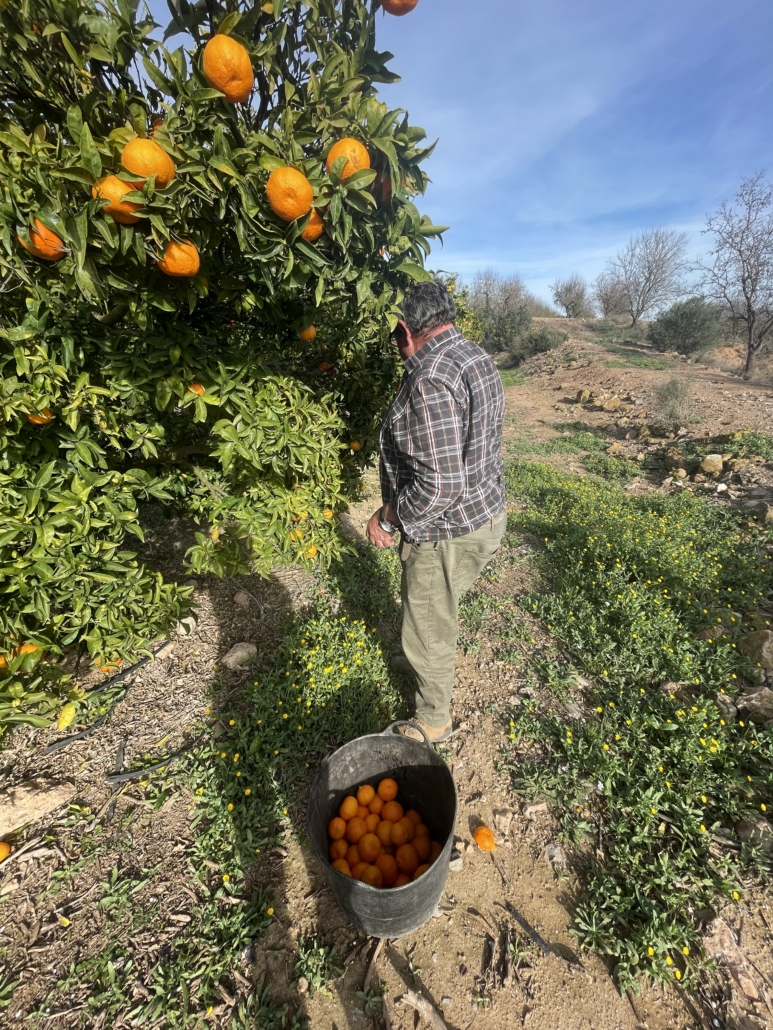
Even so, during this campaign that in just a few months begins, Valencian farmers should have a more severe control over the health of their crops. For this, they have to take into account a balanced fertilization, with a good soil management and the application of biostimulants to optimize the physiological processes of the plant. It is also recommended to use phytofortifying products to reduce the risk of infections by pathogens and pests. From Arvensis we propose the use of ecological defense promoters such as Lignomix and Glopper. Lignomix is applied as a preventive, as it activates the synthesis of phytoalexins, generates new vascular tissue and helps the transport of sap between organs. On the other hand, Glopper contains 100% complexed copper, which allows better absorption and rapid penetration into the plant, preventing the possibility of washout due to rainfall. Glopper also protects the plant from possible fungal infections and helps maintain plant health throughout the season. Combining both, crop protection would be complete and very effective.

Glopper

lignomix

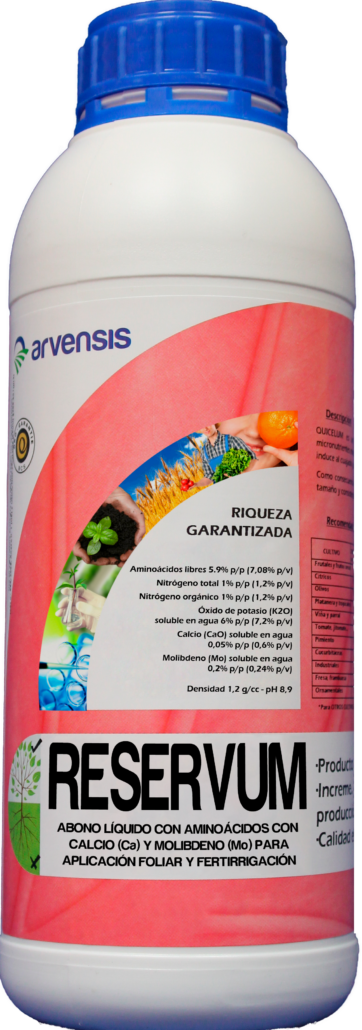
Essay on the effect of Reservum on sucrose concentration in beetroot

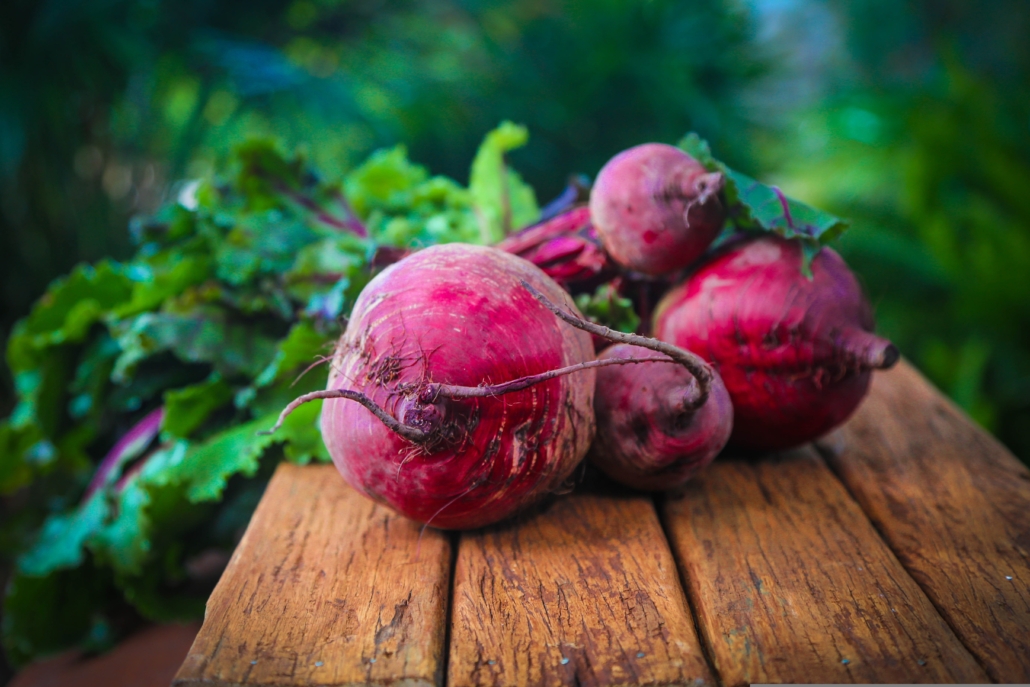
Sugar beet (Beta vulgaris) is one of the main sources of sugar worldwide, with sucrose being the compound that determines its economic value.

Target

To determine the effect of Reservum on sucrose concentration in beetroot, comparing the results of a Reservum-treated group versus a control group.

Materials and methods

  • Date and place of trial: The experiment was carried out between September and December.
  • Plant material: Beetroot (Beta vulgaris).
  • Treatments: The trial included two groups: one group treated with Reservum and one control group. Seven replicates were used for the treated group and three replicates for the control. The treatment consisted of the application of 3 ml of Reservum diluted in 500 ml of water. The control group received only 500 ml of water without Reservum.
  • Sucrose measurement: Sucrose concentration in the beets was measured using the polarimetry technique, as indicated in Regulation (EC) No 152/2009. This technique makes it possible to determine the amount of sucrose by analysing the angle of rotation produced by polarised light passing through a sugar solution.

Results

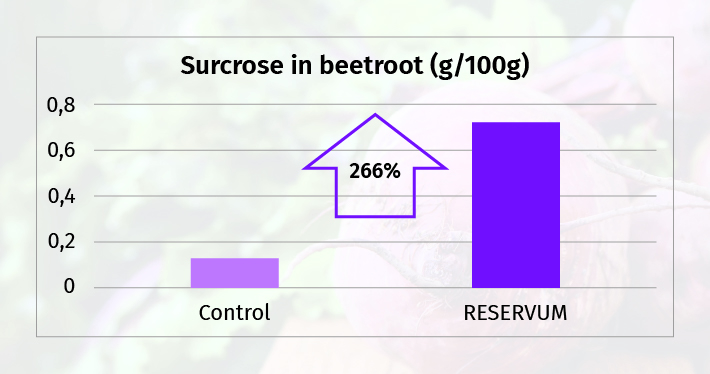
The results obtained show a clear difference in sucrose concentration between the control and treated groups. The beets in the control group had a sucrose concentration of 0.120 g/100g, while those in the Reservum-treated group reached a concentration of 0.720 g/100g. This difference suggests a positive impact of Reservum on sucrose accumulation in the treated beets.

The remarkable increase in sucrose concentration in Reservum-treated beets is due to a better utilisation of nutrients and a higher efficiency of photosynthetic processes in the plant.

The sucrose concentration in Reservum-treated beets has increased by 500% compared to the control group.

  Surcrose g/100g
Control 0,12
Reservum 0,72

Essay on the effect of Reservum on starch concentration in carrots.

To test the efficacy of RESERVUM, we carried out a greenhouse trial. Carrots were planted on 2 April 2024 and a drip irrigation system was used to maintain adequate hydration of the plants.

This trial focused on growing carrots under controlled conditions, ensuring that each pot contained only one plant. The choice of substrate, consisting of 50% universal substrate and 50% sand, was crucial to provide an optimal growing environment. The use of plants instead of seeds allowed for a more uniform start of the trial, facilitating the evaluation of the impact of RESERVUM on starch concentration.

Target

To determine the effect of Reservum on starch concentration in carrots, comparing the results between treated carrots and controls.

Calendar of activities

On 20th June, the carrots were prepared for the successive treatments with Reservum: 7 replicates to be treated and 3 controls.

The treatment to be carried out is 3 ml of Reservum in 500 ml of water. The controls are irrigated with 500 ml of water.

Results

Group Treated Control
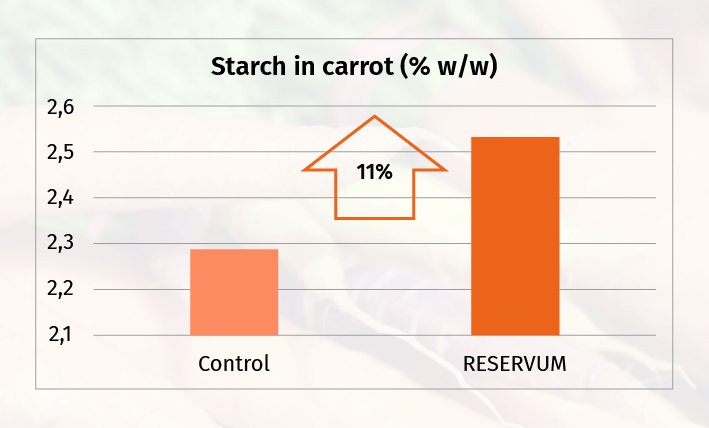
% of starch (w/w) 2,53 2,28
Increase (%) 10,96  

The percentage increase in starch concentration was 10.96 % in the treated versus the control.

The RESERVUM treatment had a positive influence on starch accumulation in the treated carrots. The 10.96% increase in the treated groups indicates that the product can improve the ability of the plants to synthesise or store starch.